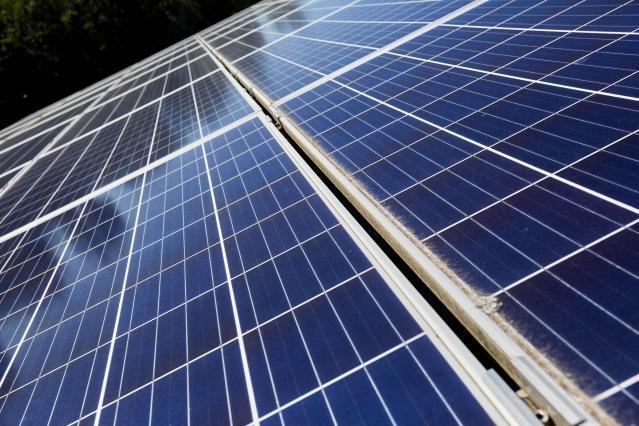
Solar energy technologies convert sunlight into energy, either as electricity (photovoltaics and concentrated solar power) or in the form of solar heat.
Solar is the fastest growing energy source in the EU and is cheap, clean and flexible. The cost of solar power decreased by 82% between 2010-2020, making it the most competitive source of electricity in many parts of the EU. In 2024, 46.9% of the electricity generated in the EU came from renewables and 22.% of it came from solar energy (Eurostat, March 2025).
Key facts on solar capacity
The EU solar generation capacity keeps increasing and reached, according to SolarPower Europe, an estimated 259.99 GW in 2023.
The EU has long been a front-runner in the roll-out of solar energy. Under the European Green Deal and the REPowerEU plan, solar power is a building block of the EU’s transition to cleaner energy. Its accelerated deployment contributes to reducing the EU’s dependence on imported fossil fuels. In addition, solar energy is the most accessible renewable energy for households and contributes to protecting consumers from volatile energy prices.
EU solar energy strategy
As part of the REPowerEU plan, the Commission adopted in May 2022 an EU solar energy strategy, which identifies remaining barriers and challenges in the solar energy sector and outlines initiatives to overcome them and accelerate the deployment of solar technologies.
It aims to deliver over 320 GW of solar photovoltaic by 2025 and almost 600 GW by 2030.
Alongside the plan, the Commission also presented a set of initiatives on permitting processes for renewable energy projects, which are reflected in the revised Renewable Energy Directive (EU/2023/2413). These new legal provisions will contribute to accelerating solar energy deployment in the EU.
The EU solar energy strategy launched 3 initiatives
The initiative aims to accelerate the vast and under-utilised potential of rooftops to produce clean energy. It included a proposal to gradually introduce a ‘solar-ready’ obligation for new buildings. Such provisions were included in the revised Energy Performance of Buildings Directive, introducing obligations for new buildings to be solar-ready. For existing public buildings, solar will need to be gradually installed, starting from 2027, where technically, economically and functionally feasible
This partnership was launched in March 2023 following its announcement in the Solar Strategy. It aims to address the skills gap in the EU and promotes the development of a skilled workforce in the renewable energy sector. Current bottlenecks in the workforce will become an opportunity for new green jobs, driving the clean energy transition.
The European Solar PV Industry Alliance was launched by the Commission together with industrial actors, research institutes, associations and other relevant parties on 9 December 2022 to support the objectives of the EU's Solar Energy Strategy.
The alliance is a forum for stakeholders in the sector focused on ensuring investment opportunities and helping to diversify supply chains, retain more value in Europe and deliver efficient and sustainable solar PV products. It also offers policy input towards reducing Europe's risk of supply disruptions and supporting the domestic industry.
The alliance has endorsed the objective of reaching 30 GW of EU-dedicated manufacturing capacity by 2025, across the entire value chain. Reaching this objective would deliver €60 billion of new GDP per year in Europe and create more than 400,000 new jobs.
European Solar Charter
In the margins of the informal Energy Council meeting on 15 April 2024, energy ministers from 23 EU countries, industry representatives and Commissioner Kadri Simson, on behalf of the Commission, signed a European Solar Charter that sets out a series of voluntary actions to be taken to support the EU photovoltaic sector.
The Charter marks the latest step in the Commission’s actions to support solar panel manufacturing in Europe.
Photovoltaics
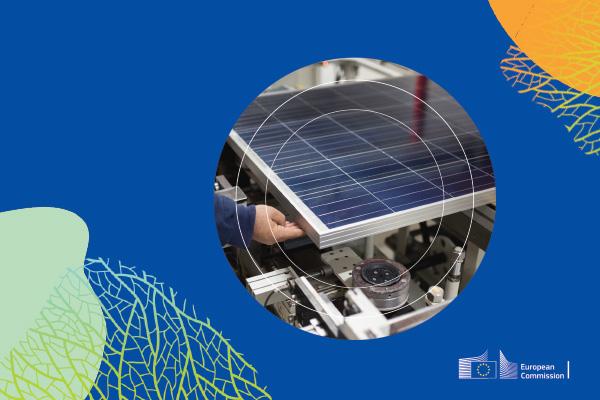
Photovoltaics is a method of generating electric power by using solar cells to convert energy from the sun into electricity. These cells are assembled into solar panels and then installed on the ground, rooftops or floating on dams or lakes. The EU funds many solar cell projects, such as the PERTPV project, in which perovskite-based materials were used to build a new type of solar cell.
Photovoltaic technology is becoming more widely used worldwide. Year after year, photovoltaics make up a bigger share of the EU’s energy mix. In 2021, the EU output of photovoltaic electricity accounted for 5.5% of the EU’s gross electricity output.
Continued growth in the solar energy sector is expected in the coming decades, driven by both large-scale installations and increased self-consumption based on rooftop photovoltaic installations. Solar contributes to reducing the price of electricity, putting the EU at a competitive advantage and helping to drive economic growth and create jobs.
Solar energy also creates jobs directly. The workforce of the photovoltaic sector grew by 27% to 826 000 by the end of 2023, up from 648 100 workers in 2022.
This rapid growth means that Europe could see more than 1 million solar workers by 2027, according to the EU Solar Jobs Report 2024 by SolarPower Europe.
As part of the EU’s Net-Zero Industry Act to boost the manufacturing of net-zero technologies in Europe, the European Solar Academy was launched in June 2024. Its purpose is to develop learning content and programmes together with the industry, to ensure sufficient skills and workforce in the value chain and aiming to train 100 000 workers over 3 years.
Concentrated solar power
Concentrating Solar Power (CSP) plants use mirrors to concentrate sunlight and produce heat and steam to generate electricity. They can be coupled to heat storage technologies to produce electricity both day and night. About 2.3 GW of concentrated solar power has been installed in the EU since 2013, but most new projects take place outside of the EU.
Solar thermal technologies
Solar thermal technologies are used mainly to produce domestic hot water in residential buildings and industry through heat collectors. Concentrated solar heat technologies can also be used to provide heat for industrial applications and district heating. The main advantage of solar thermal is that it is cheap, predictable and does not rely on any fuel.
Solar thermal technologies can be deployed in most European regions and are a particularly good option in Europe’s eastern and south-eastern countries, where solar thermal heat is often the cheapest option to replace fossil-fuel heating.
Related links
- News: European Solar Charter (15/4/2024)
- Communication on EU solar energy strategy (COM(2022)221)
- In focus: Solar energy – harnessing the power of the sun (13/09/2022)
- REPowerEU: affordable, secure and sustainable energy for Europe
- Solar energy (DG Research and innovation)
- Solar power (IRENA)
- Enabling framework for renewables
- SolarPower Europe
- International Solar Alliance
- The European Solar Thermal Electricity Association– Estela
- Solar Heat Europe/ESTIF- European Solar Thermal Industry Federation